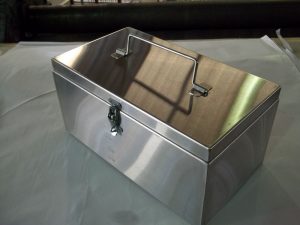
What is steel?
Steel is an alloy made up of iron with typically a few tenths of a percent of carbon to improve its strength and fracture resistance compared to other forms of iron.
What is carbon?
Carbon is a nonmetallic chemical element with atomic number 6 that readily forms compounds with many other elements and is a constituent of organic compounds in all known living tissues
What is High carbon steel?
High Carbon steel is a steel with carbon content from about 0.05 up to 2.1 percent by weight.
What is Low carbon steel?
Low carbon steel is a steel that contains up to 0.30% of carbon.
What are the benefits of high carbon steel?
Some benefits of high carbon steel is that they have high reliability, a high strength, and they also have the ability to reduce weight by using thinner material.
What are the benefits of low carbon steel?
Some of the benefits of low carbon steel is that the low carbon steel is easier to cut, easier to weld, and easier to form.
Cold rolled steel
Definition: Cold rolled steel is the common term for steel products shaped by cold-working processes carried out near room temperature, such as rolling, pressing, stamping, and bending
Process:cold rolling is the process of strengthening steel by changing its shape without using heat. Cold rolling, unlike hot rolling such as with hot rolled steel, can only occur when a metal is below its re-crystallisation temperature
Hot rolled steel
Definition: Hot rolled steel is pretty much rolling steel in higher temperatures and forming the steel into things
Process:Hot-rolling refers to a mill process in which you roll the steel at a temperature above its recrystallisation temperature
Galvanised Steel:
Definition: Galvanisation or galvanising is the process of applying a protective zinc coating to steel or iron, to prevent rusting.
Process: Galvanisation is the process of immersing iron or steel in a bath of molten zinc to produce a corrosion resistant, multi-layered coating of zinc-iron alloy and zinc metal.
Zincalume
Definition: Zincalume is a combination of aluminium, zinc & silicon and is a very durable metal. It has a lifetime of around 4-times that of any galvanised steel roofing and is designed to last.
Process:
Pop riveting
How does it work?
A pop rivet gun is placed on the rivet, pulling the mandrel into the rivet body, causing it to expand and grip the parts to be joined. Once gripped, the mandrel snaps, permanently holding the rivet in place.
Minimum and maximum material dimensions:
2mm diameter
Considered to be some of the smallest POP rivets, POP Micro Rivets are 2mm diameter
7.4mm or 19/64″ are the largest of the available blind rivet sizes
Possible Hazards and harm with risk levels
- Fire and explosions (as illustrated above)
- Airborne contaminants.
- Radiation.
- Electrical risks.
- Burns and exposure to heat.
- Eye damage.
- Compressed and liquefied gases.
Required PPE
- Eyes and Face
- Hearing protection
- Gloves
- Clothing
- Foot Protection
- Body Protection
- Jackets
Spot welding
How does it work?
Spot welding works by applying pressure and heat to the weld area using copper alloy electrodes. These electrodes transport an electrical current through the weld segments. As the material melts the parts are fused. At this point, the current is turned off and pressure from the electrodes is upheld.
Possible Hazards and harm with risk levels
- Electrical hazards
- Heat-related risks
- Related risks
- Fire–related risks
- Asphyxiation risks
- Fumes/respiratory risks
- Gas use and storage
Required PPE
Long and loose hair must be contained. Leather gloves must be worn when handling hot metal. Sturdy footwear must be worn at all times in work areas. Close fitting/protective clothing must be worn.
 DIGITAL TECHNOLOGY