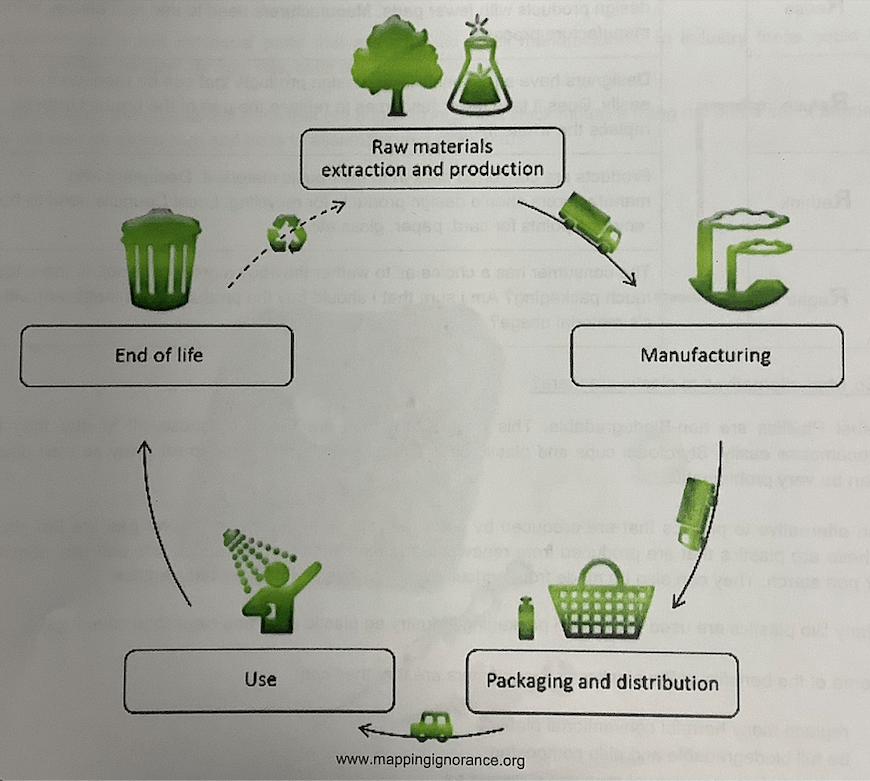
Raw materials extraction and production
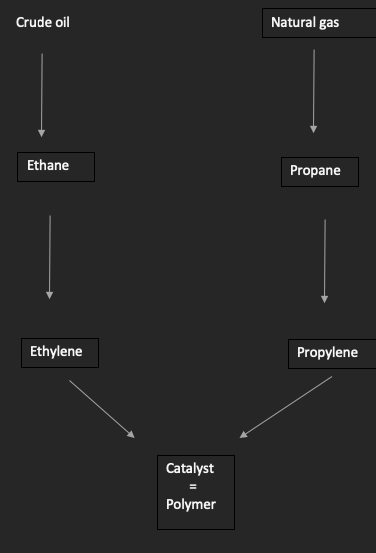
- Raw materials are extracted
- Raw materials are sent to factories to be refined
- Ethane and propane are treated at high heat in a process called cracking
- Ethylene and propylene are combine with a catalyst to create a polymer
- The polymer is sent through extruder where it is heated and fed into a pipe. when it cools it takes the form of a rod
- The rod is cut into pellets and sent to factories to be manufactured
Raw materials: various raw materials are used by plastic packaging manufacturers: virgin plastics, recycled plastics, bio-based plastics, combinations with other materials (paper, aluminium, etc.).
Raw materials used, give the packaging the necessary functionalities throughout its life cycle.
Manufacturing: Plastics are made from natural materials such as cellulose. coal, natural gas, salt and crude oil through a polymerisation or polycondensation process. The production of plastics begin with the distillation of crude oil in an oil refinery.
Packaging: the transformation and decoration processes used to manufacture plastic packaging are numerous: calendaring, thermoforming, injection, extrusion, etc.
Distribution: packaged products follow different logistic schemes before being put on the market through various distribution channels: short circuits, large distribution, export.
The use of the products: packaging continues to play a role at this stage by being adapted to the way the products are consumed or used: consumption or use at one time, in several times, etc.
End of life & recycling: some plastic packaging can be reused, e.g. IBCs (Intermediate Bulk Container) or plastic boxes. Since recycling schemes were set up, plastic packaging has been recycled. This is the case, for example, for bottles and flasks made of PET, PE or PP or for polystyrene boxes
 DIGITAL TECHNOLOGY